Future of Banking – 2034

While 2034 sounds more like the setting for a Skynet take-over, It’s also just a short 10 years down the road and we all know how quickly things can change in a decade.

Looking in the finance sector, Banking in particular, I see a number of emerging changes that are set to reshape the environment – so let’s revisit in 10 years and see how close/far off I was.

  • Personalized Banking: Banks are increasingly using AI to analyse customer data, offering personalised financial advice and product recommendations and this will extend past products and into lifestyle. For instance, apps like Cleo and Plum use AI to help users manage their finances more effectively.
  • Banking as a Platform (BaaP): This model allows financial institutions to integrate services with third-party providers. A notable example is Starling Bank, which offers a marketplace allowing customers to access a variety of financial services through its app.
  • Blockchain for Secure Transactions: Blockchain technology is being explored for its potential to make transactions more secure and transparent. Ripple, a blockchain solution, is already being used by banks for cross-border payments.
  • Rise of Decentralized Finance (DeFi): DeFi represents a shift towards open, permissionless, and fully decentralized financial markets, which could redefine access to financial services and significantly reduce the number of intermediary businesses currently profiting on the legacy, inefficient systems of today.
  • Increased Focus on Cybersecurity: As digital banking expands, cybersecurity threats will become more sophisticated, requiring advanced solutions to protect customer data and financial assets. Banking has traditionally been at the forefront of security and could even extend their services in a digital asset world to protect more than just money, NFT Vault anyone?
  • Impact of Quantum Computing: Quantum computing has the potential to disrupt current encryption methods, challenging the security of financial transactions and data storage and so superior encryption technology is needed. Banking (and Defence) are well positioned to develop the leading edge Quantum Encryption standards and even productise this.

And entirely out of left field, this is my view of the most drastic change we might see:

Banks as Product Manufacturers.
As OpenData, AI and FinTech converge on the industry, I see the ability of banks to compete (fairly) in 10 years greatly diminished, and see profit focus forcing them to return to their roots in creating hyper-secure savings and lending products that are then distributed by other merchants (Apple, Amazon, FinTechs)

Okay, see you in 10 years.

Clinton

The Finance Super App : Increased Financial Literacy and Empowerment

Imagine a world where advanced financial, tax, and accounting advice is democratised through an app accessible to everyone. 

The distribution of this knowledge, which has traditionally been the purview of the uber-wealthy, could have profound impacts on how individuals manage their finances, make investment decisions, and plan for the future.

While there are many apps available treat each area of personal finance as a discrete vertical, they lose out on a full picture of an individual’s financial situation and without wich, they arent able to give personalised and meaningful guidence.

Here are my thoughts on the potential impacts an application like this could have on society’s growing wealth inequality:

Increased Financial Literacy and Empowerment

  • Broader financial education: Access to personalised advice could significantly improve financial literacy across all socioeconomic classes. Understanding financial basics, such as budgeting, saving, and the importance of credit scores, can empower individuals to make informed decisions.
  • Empowerment through knowledge: Knowledge is power, especially in finance. Equipping individuals with the same level of advice that the wealthy have access to could help level the playing field, allowing more people to build and preserve wealth.

Enhanced Wealth Building Opportunities

  • Investment participation: One of the keys to building wealth is investing. An app providing advanced investment advice could lower the entry barriers to the stock market, real estate, or other investment vehicles, traditionally seen as complex and risky without the right knowledge.
  • Tax optimization: Effective tax planning and understanding tax implications are crucial in wealth accumulation. Personalized tax advice can help individuals not only save money but also explore tax-efficient investment strategies.

Reduction of Wealth Inequality

  • Narrowing the advice gap: The uber-wealthy often benefit from sophisticated tax avoidance strategies and investment advice. Democratizing access to this information could narrow the wealth gap by providing everyone with tools to maximize their financial potential.
  • Promoting saving and investment: Encouraging a culture of saving and investment among wider sections of the population can contribute to a more equitable distribution of wealth over time.

Challenges and Considerations

  • Access and adoption: While the app could be universally available, differences in access to technology and the internet, as well as varying levels of digital literacy, could affect its effectiveness. Each demographic version of this app would need to be tailored for that region’s particular rules, regulations and societal financial literacy.
  • Customization vs. Generalization: The advice provided would need to be highly personalized to be truly effective, taking into account each individual’s financial situation, goals, and risk tolerance – it would be important to make sure the individual themselves have access to their full picture.
  • Regulatory and ethical considerations: Providing financial, tax, and accounting advice through an app would require navigating a complex web of regulations and ensuring the advice is ethically sound and in the best interest of the user.

Potential Societal Changes

  • Shift in societal norms: Over time, widespread access to financial advice could shift societal norms regarding money management, investment, and financial planning, making these discussions more mainstream and less taboo.
  • Economic empowerment of historically disadvantaged groups: By providing historically underserved or disadvantaged groups with high-quality financial advice, the app could play a role in economic empowerment and help break cycles of poverty.

Closing thoughts,

An app providing instant access to personalised and advanced financial, tax, and accounting advice could be a revolutionary tool in the fight against wealth inequality. By empowering individuals with knowledge and tools previously available only to the wealthy, such technology could help level the economic playing field and raising awareness of prevailing government policy. However, its success would depend on widespread accessibility, level of personalisation, and the ability to effectively navigate regulatory landscapes.

Rethinking Compulsory Superannuation: A Closer Look at Australia’s Retirement Savings System

In Australia, the mandatory Superannuation system has been a cornerstone of retirement savings for decades. Introduced to ensure Australians have sufficient savings for their post-work years, this system requires employers to contribute a portion of an employee’s earnings into a superannuation fund.

However, there’s been an ongoing debate about the efficacy and fairness of this compulsory approach.

Is it time to rethink the mandatory nature of Superannuation?

The Case Against Mandatory Superannuation

1. Government Control Over Personal Savings:

  • A primary critique of the mandatory Superannuation system is the significant degree of government control it imposes. The system not only mandates that a portion of an individual’s salary must be saved for retirement, but also restricts when and how they can access these funds.
  • This raises critical questions about financial autonomy and personal freedom. Critics argue that individuals should have more control over their own money, without government-imposed restrictions on access and use.
  • The concern here extends to the broader implications of such control, potentially setting a precedent for governmental overreach into other personal financial matters.

2. Reduced Take-Home Pay:

  • Mandatory contributions to Superannuation effectively reduce an employee’s immediate take-home pay. This is especially challenging for lower-income earners who need immediate access to their earnings for daily expenses.
  • The debate centers around choice and financial control, questioning whether individuals should have more say in how and when they save for retirement.

3. Impact on Small Businesses:

  • The obligation for employers to contribute to Superannuation can be burdensome for small businesses. With the increase in the Superannuation Guarantee rate, small enterprises may face financial strain, impacting their growth and employment opportunities.
  • This aspect of the system may inadvertently hinder entrepreneurship and economic diversity within the Australian economy.

4. Investment Risk and Market Volatility:

  • Superannuation funds, being subject to market fluctuations, pose a risk to retirement savings, especially during economic downturns.
  • The mandatory nature of Superannuation means individuals have limited control over these investment risks, which directly affect their financial security in retirement.

5. Delayed Benefit and Inflexibility:

  • The Superannuation system locks away funds until retirement age, preventing younger individuals from accessing these savings for immediate needs like home ownership or education.
  • Critics advocate for a more flexible system, allowing for earlier use of funds in ways that can also contribute to long-term financial stability.

6. Inequity Issues:

  • The Superannuation system does not benefit all Australians equally. Women, particularly those with career gaps due to caregiving, and low-income earners, often end up with significantly less in their superannuation funds.
  • The rigid structure of the system fails to accommodate the diverse financial situations and needs of different groups, leading to disparities in retirement readiness and security.

The mandatory Superannuation system, while designed with the laudable goal of ensuring retirement savings, raises significant concerns about personal autonomy, financial control, and equity. The debate over its compulsory nature touches on the balance between government intervention for long-term financial security and the individual’s right to manage their own finances. As Australia continues to evaluate the effectiveness and fairness of this system, a shift towards greater flexibility and personal choice could better serve the diverse needs and circumstances of its citizens, fostering a more equitable and resilient economic future.

Bridging the Gap: Understanding Wealth Inequality in Western Soceity

Have you ever wondered why, in some of the world’s wealthiest nations, so many struggle to make ends meet? Wealth inequality in Western countries is not just a political catchphrase; it’s a reality that affects millions. But what is wealth inequality, and why does it matter?

The Current State of Wealth Inequality

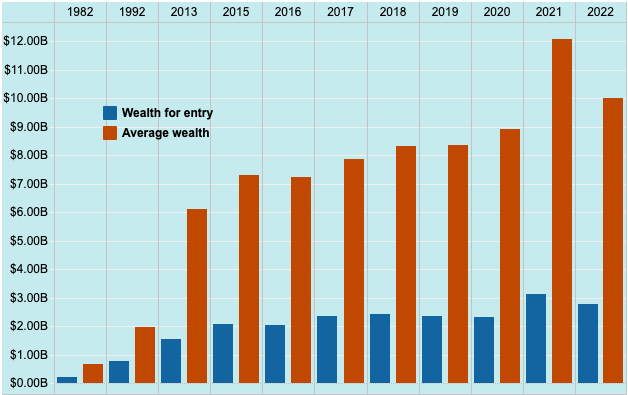
Recent studies reveal a startling picture: the richest 1% in many Western countries hold more than 40% of the wealth. This gap has widened significantly in the past few decades, fueled by various economic and policy changes. For instance, while a CEO in the 1970s might have earned 30 times the salary of their average employee, today, that figure is closer to 300 times.

But numbers alone don’t tell the whole story. Consider Sarah, a single mother working two jobs in New York, barely making enough to cover rent and basic necessities. Contrast her life with that of a billionaire living just a few blocks away, and the stark reality of wealth inequality becomes evident. Or does it? Arguably this is the benefit of a capitalist society, where people of all wealth classes can live a few blocks away from one another – and not some dystopian castle.

Source: http://www.macrotrends.net (USA)

The Underlying Causes

So, what drives this growing divide? One key factor is wage stagnation; while living costs have soared, wages for the average worker have barely budged in real terms. Tax policies increasingly favor the wealthy, with loopholes and lower rates on investment income playing a significant role.

Globalization and technology have also reshaped the landscape. While they’ve brought benefits, they’ve also contributed to job displacement and a growing skills gap. Those without access to quality education find themselves at a severe disadvantage in the modern economy.

Why It Matters

Wealth inequality isn’t just a moral issue; it has tangible impacts on society’s fabric. It hampers social mobility, making the ‘rags to riches’ story more myth than reality. In a democracy, extreme wealth disparities can lead to disproportionate political influence for the rich, skewing policies in their favor.

Moreover, the psychological impact is profound. Studies show that societies with higher inequality experience higher rates of mental illness, lower life expectancy, and decreased levels of trust and community cooperation.

The Ripple Effects

The consequences extend into various societal realms. In healthcare, for example, the rich can afford cutting-edge treatments while the poor struggle to access basic services. Education, too, is impacted, with children from wealthy families having access to resources that others don’t, perpetuating a cycle of inequality.

Environmentally, wealth inequality contributes to unsustainable consumption patterns. The wealthy’s carbon footprint is vastly larger, yet the consequences are borne disproportionately by the poor.

Possible Solutions and Initiatives

Addressing this issue requires a multi-faceted approach. Progressive taxation, minimum wage adjustments, and reforms in inheritance laws are just the beginning. Education policies that ensure equal opportunities regardless of socio-economic background can help level the playing field.

Initiatives like universal basic income (UBI) trials in some countries have shown promise in reducing poverty and boosting local economies. Additionally, corporate responsibility programs that focus on fair wages and ethical practices contribute to a more equitable distribution of wealth.

Governments, NGOs, and even individual activists play a crucial role. For instance, some European countries have implemented wealth taxes and more stringent financial regulations to curb tax avoidance. These measures, though sometimes controversial, have begun to show positive effects in reducing wealth disparity.

Creating a society for the future

Wealth inequality in Western societies is a complex, multifaceted issue with far-reaching consequences. It’s a challenge that requires not just government intervention, but a shift in how we, as a society, view and handle wealth.

As we ponder on the future we wish to create, it’s worth asking ourselves: what kind of world do we want to live in? One where wealth is hoarded by a few, or a society where prosperity is a shared experience? The actions we take today will shape the answer for generations to come.